Explore the Crucial Services Offered by a Professional Arborist for Healthy Trees
A professional arborist delivers a variety of services crucial for maintaining healthy trees and improving landscapes. Their expertise in tree pruning promotes growth and mitigates hazards. They also identify and treat tree diseases, making sure personalized treatments are implemented - Florence Arborist. Additionally, arborists handle safe tree removals and can assist with planting and transplanting. Their role is especially important during critical situations like storm damage. Knowing these services can profoundly influence one’s approach to tree care
The Significance of Tree Pruning
Although many homeowners might ignore the necessity of tree pruning, it serves a vital function in upholding the vitality and aesthetics of trees. Effective pruning helps trees develop a strong structure, eliminating dead or infected limbs that could pose risks. By judiciously pruning limbs, the tree can focus its energy on healthy growth, encouraging improved air flow and sunlight penetration. Additionally, pruning can enhance the overall appearance of the tree, forming it for visual beauty in residential landscapes.
Moreover, regular pruning can prevent potential hazards, such as falling branches during storms or high winds, which could cause property destruction or hurt people. It also assists in avoiding of pest infestations and diseases by enhancing the tree's hardiness. Ultimately, retaining expert arborist services for tree pruning guarantees that trees remain healthy, safe, and visually pleasing, contributing start now considerably to the overall beauty and value of the property.
Diagnosing and Managing Tree Diseases
Tree health can be significantly impacted by various diseases that may not always be immediately evident. A professional arborist plays an essential role in diagnosing these conditions early, utilizing a combination of visual inspections and diagnostic tools. Symptoms such as leaves changing color, wilting, or unusual growth patterns often indicate hidden health problems. Arborists evaluate these signs to identify specific diseases, whether fungal, bacterial, or viral in nature.
Following the diagnosis, the professional designs a customized plan of action. The plan often involves focused interventions, such as bactericides or fungicides, and cultivation methods that enhance tree resilience. In addition, correct hydration, mulching, and feeding can significantly boost the vitality of the tree and ability to fight off illness. Consistent observation and further interventions are critical to effective management, ensuring the longevity and health of the trees. By addressing tree diseases proactively, professionals preserve the ecological advantages and visual appeal of thriving trees.
Best Practices for Tree Felling
Proper tree felling methods are critical for securing safety and minimizing damage to adjacent areas. Expert tree specialists conduct a thorough assessment of the state of the tree, where it is situated, and the immediate vicinity prior to starting the extraction. Arborists use specific tools, such as rigging equipment and chainsaws, to guarantee precise cuts and control during the felling process.
A thoughtful felling approach requires recognizing risks, such as structures or overhead wires, which can affect the security of the job. Arborists often use a technique called "sectional dismantling," where the tree is cut down in smaller segments, lessening the hazard posed by dropping wood.
Moreover, arborists adhere to local rules and standards to guarantee compliance and responsible environmental care. Following the extraction, thorough clearing and removal of the remaining wood and brush, stump treatment as well, help improve the overall security and visual appeal of the area.
Tree Planting and Relocation
The process of tree establishment demands close attention of site selection and planting techniques to ensure future vitality and successful establishment. Choosing the correct site significantly influences a tree's development, and correct installation techniques reduce trauma and promote successful establishment. Professionals stress these considerations as essential for enhancing the vigor and longevity of trees in various settings.
Proper Site Selection

Choosing the right location for relocating or establishing trees is essential for their future development and vitality. Elements like the condition of the soil, the amount of sun, and drainage must be carefully evaluated. Trained tree experts examine the specific site conditions, ensuring that the planting location provides adequate nutrients and proper foundation for the trees. Additionally, the nearness to established constructions and surrounding flora is crucial to stop the fight for nutrients and prevent possible harm. Arborists also consider the tree’s maximum height and width and root system, ensuring sufficient space for growth. Via an in-depth assessment of the location, these experts help clients make informed decisions that foster robust, flourishing trees, ultimately enhancing the landscape’s visual appeal and natural benefits.
Proper Techniques for Installation
After the location is thoroughly evaluated and chosen, the next step involves applying the best tree installation practices. Preparing the planting hole correctly is crucial; it should be two times wider than the root mass and the same depth as the root ball. The plant must be positioned in the opening so that the crown of the root mass is even with the surrounding soil. Refill using the original dirt, checking that all voids are filled, and water thoroughly to help the roots settle in initially. Adding a layer of mulch near the trunk assists in keeping water in and keep weeds down. Florence Arborist. For transplanting existing trees, care must be taken to reduce root trauma and relocate the plant in its resting phase for the greatest likelihood of thriving. Adhering to these methods fosters healthy growth and longevity
Handling Tree Emergencies After Storms
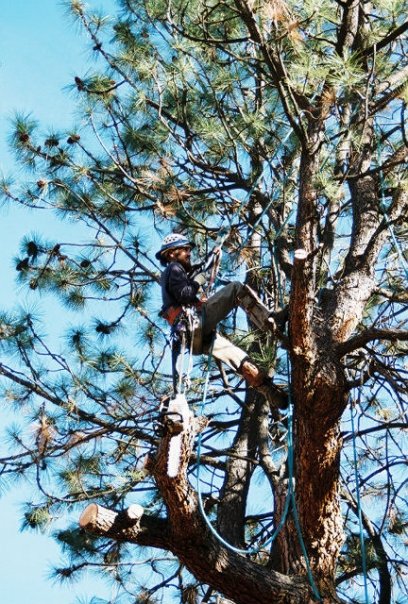
After powerful weather events occur, the resultant conditions may leave trees in hazardous situations, creating threats to buildings and people. Professional arborists play a vital role in emergency response, evaluating storm-damaged trees to check how safe and healthy they are. Their expertise allows them to identify which trees are recoverable and which pose imminent hazards that require extraction.
Armed with the right gear, they can carefully cut damaged boughs and haul away refuse, preventing subsequent injury to adjacent property. Arborists also offer helpful guidance on risk mitigation, such as selecting resilient tree species for subsequent landscaping.
In addition to immediate response, arborists help homeowners understand the future impacts resulting from the weather, providing advice for restoration and healing. By acting swiftly and efficiently, professional arborists not only protect property but also contribute to the restoration of the local environment following major weather events.
Nutritional Support and Ground Care
After the devastation caused by storm damage, the priority becomes the well-being of the trees that remain, highlighting the significance of nutritional support and ground care. A qualified tree expert assesses soil conditions and tree health to ascertain precise nutrient requirements. Trees require key nourishment, like nitrogen, phosphorus, and potassium, to recover and thrive following stressful periods.
Soil management plays an essential role in how nutrients are accessed and root development. Arborists may recommend soil amendments, like organic matter, to enhance the ground's composition and microbial activity. The correct pH balance are also evaluated, as they impact how nutrients are absorbed.
Applying mulch can help the soil hold water and keep weeds down, creating an ideal environment for trees to heal. Through the creation of a comprehensive nutrient strategy and implementing effective soil management strategies, arborists guarantee trees recover their vigor, resilience, and overall health, vital for maintaining a balanced ecosystem in the wake of major environmental events.
FAQs
When Should My Trees Be Checked?
Trees should be evaluated annually for optimal condition. Yet, more frequent evaluations might be required for younger trees, post-major weather incidents, or if distress or illness becomes apparent.
What Expertise is Needed in an Arborist?
When seeking an arborist, one should prioritize certifications like ISA (the ISA) accreditation, applicable work history, adequate protection, and a good standing within the community, guaranteeing skill in tree care and safety practices.
Do Arborists Utilize Special Equipment for Tree Care?
Arborists employ a range of unique equipment for tree care, like chainsaws, pruning shears, climbing gear, and stump grinders. Each tool serves a specific purpose, ensuring effective maintenance, pruning, and removal of trees and boosting total well-being and safety.
How Do Weather Conditions Affect Tree Health?
The climate significantly affects tree health; heavy rainfall may result in root rot, while dry spells put strain on trees. Temperature extremes can damage leaves and branches, ultimately affecting development, durability, and general health of the trees.
Should I handle my own tree maintenance, or Do I need to call in a specialist?
Even though a few fundamental tree care duties are manageable by homeowners, it is usually recommended to hire an expert - Florence Arborist. Trained individuals carry specialized equipment and knowledge, ensuring that trees receive the proper care necessary for ideal health and growth
Comments on “Trusted Field Vehicle Glass for Horticulture”